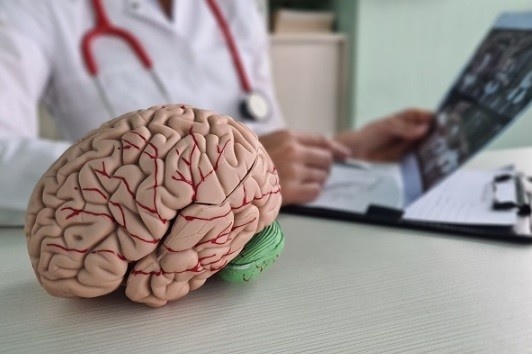
Neurological and brain-related disorders can significantly affect a person’s quality of life, mobility, memory, speech, and overall well-being. Conditions involving the brain, spine, nerves, and nervous system often require timely diagnosis and specialized treatment to prevent complications and improve outcomes.
If you are experiencing persistent headaches, seizures, dizziness, memory problems, weakness in the limbs, or symptoms related to spinal disorders, consulting the Best Brain Specialist in Noida can help identify the underlying cause and determine the most effective treatment plan.
This article explores the available treatment options for neurological and brain-related conditions, common disorders, advanced technologies, and when to seek expert care.
 For appointments, call +91 8920248282.
For fast information, direct chat with us on WhatsApp.
Understanding Neurological and Brain-Related Conditions
Neurological disorders affect the nervous system, including:
- Brain
- Spinal cord
- Peripheral nerves
- Muscles
These conditions may develop due to injury, infection, vascular problems, tumors, genetic disorders, or degenerative diseases.
Common neurological conditions include:
- Brain tumors
- Stroke
- Epilepsy
- Parkinson’s disease
- Alzheimer’s disease
- Migraine
- Sciatica
- Herniated disc
- Spinal tumors
- Trigeminal neuralgia
- Hydrocephalus
- Brain hemorrhage
Early diagnosis plays a critical role in successful treatment and long-term recovery.
What Are the Main Treatment Options for Neurological Disorders?
The treatment depends on the type, severity, and progression of the condition.
1. Medication-Based Treatment
Many neurological disorders can initially be managed with medications.
Common examples include:
- Anti-epileptic drugs for seizures
- Pain management medications
- Muscle relaxants
- Anti-inflammatory medications
- Parkinson’s disease medications
- Migraine management therapies
- Blood thinners after stroke
Medication therapy is often the first line of treatment before considering surgical intervention.
2. Advanced Diagnostic Evaluation
Before recommending treatment, specialists may perform:
Brain Imaging
- MRI Brain
- CT Scan
- Functional MRI
Neurophysiological Testing
- EEG
- EMG
- Nerve Conduction Studies
Vascular Assessment
- CT Angiography
- MR Angiography
- Digital Subtraction Angiography (DSA)
Accurate diagnosis helps create a personalized treatment strategy.
For appointments, call +91 8920248282.
Surgical Treatment Options for Brain-Related Conditions
Some neurological conditions require surgery when medications are insufficient.
Brain Tumor Surgery
Brain tumor surgery is performed to:
- Remove cancerous growths
- Relieve pressure on the brain
- Improve neurological function
- Obtain tissue for diagnosis
Modern surgical techniques help maximize tumor removal while preserving healthy brain tissue.
Minimally Invasive Neurosurgery
Benefits include:
- Smaller incisions
- Reduced pain
- Faster recovery
- Lower infection risk
- Shorter hospital stay
Many patients prefer minimally invasive approaches whenever clinically appropriate.
Endoscopic Brain Surgery
Endoscopic procedures are commonly used for:
- Hydrocephalus
- Certain brain tumors
- Ventricular disorders
The technique utilizes specialized cameras and instruments through small openings.
Stroke Treatment and Management
Stroke is a medical emergency that requires immediate attention.
Treatment options include:
Acute Stroke Care
- Clot-busting medications
- Mechanical thrombectomy
- Intensive monitoring
Rehabilitation
- Physical therapy
- Occupational therapy
- Speech therapy
Early intervention can significantly improve recovery outcomes.
Treatment for Spine-Related Neurological Conditions
Many neurological symptoms originate from spinal disorders.
Conditions Commonly Treated
- Slipped disc
- Cervical spondylosis
- Lumbar canal stenosis
- Sciatica
- Spinal tumors
- Spine fractures
Available Treatment Approaches
| Condition | Treatment Options |
| Sciatica | Medication, physiotherapy, surgery |
| Slipped Disc | Conservative care, microdiscectomy |
| Spinal Stenosis | Decompression surgery |
| Spine Tumors | Surgery, oncology support |
| Fractures | Stabilization procedures |
Treatment for Epilepsy and Seizure Disorders
Epilepsy treatment aims to reduce or eliminate seizures.
Options include:
- Anti-seizure medications
- Lifestyle modifications
- Surgical intervention for drug-resistant epilepsy
- Neurostimulation therapies
Many patients achieve long-term seizure control with proper treatment.
Management of Parkinson’s Disease
Parkinson’s disease requires comprehensive care.
Treatment strategies include:
- Medication management
- Physiotherapy
- Occupational therapy
- Deep Brain Stimulation (DBS) in selected cases
Regular monitoring helps optimize symptom control.
Treatment for Chronic Headaches and Migraines
Not every headache is harmless.
Specialist evaluation may be needed when headaches are:
- Persistent
- Severe
- Associated with vision problems
- Accompanied by neurological symptoms
Treatment may include:
- Preventive medications
- Lifestyle modifications
- Trigger management
- Advanced neurological evaluation
Common Problems Patients Experience
Patients frequently seek neurological consultation for:
- Severe headaches
- Dizziness
- Memory loss
- Weakness in arms or legs
- Back pain with nerve compression
- Difficulty walking
- Seizures
- Speech problems
- Balance issues
- Numbness and tingling
These symptoms should never be ignored.
Benefits of Early Neurological Treatment
Seeking treatment early offers several advantages:
- Faster diagnosis
- Better treatment outcomes
- Reduced complications
- Improved quality of life
- Lower risk of permanent neurological damage
- Greater independence and mobility
Risks of Delayed Treatment
Ignoring neurological symptoms can result in:
- Permanent nerve damage
- Stroke complications
- Progressive disability
- Loss of function
- Increased treatment complexity
Timely consultation is always recommended.
Expert Insights
One of the most important aspects of neurological care is identifying symptoms early. Conditions such as stroke, brain tumors, and spinal cord compression often respond better when treated promptly. Modern neurosurgical techniques and advanced imaging technologies have significantly improved patient outcomes, making early specialist evaluation more important than ever.
Real-Life Example
Consider a patient experiencing persistent leg pain and numbness due to a slipped disc. Initial treatment may involve medication and physiotherapy. However, if symptoms continue or worsen, minimally invasive spine surgery may provide long-term relief and restore normal function. Early diagnosis prevents further nerve damage and improves recovery.
Frequently Asked Questions
1. Who is considered the Best Brain Specialist in Noida?
A qualified neurosurgeon with extensive experience in diagnosing and treating brain, spine, and neurological disorders is often considered the best option for comprehensive neurological care.
2. What symptoms indicate that I should see a brain specialist?
Persistent headaches, seizures, memory issues, dizziness, weakness, numbness, or balance problems warrant evaluation by a specialist.
3. Can neurological disorders be treated without surgery?
Yes. Many conditions respond well to medications, physiotherapy, and lifestyle modifications.
4. Is brain tumor surgery safe?
Modern neurosurgical techniques have significantly improved safety and precision, though every procedure carries some risks.
5. What is minimally invasive neurosurgery?
It involves advanced surgical techniques using smaller incisions, resulting in faster recovery and less postoperative discomfort.
6. How is epilepsy treated?
Treatment usually includes anti-seizure medications and, in selected cases, surgery or neurostimulation therapies.
7. What are the warning signs of stroke?
Sudden weakness, facial drooping, speech difficulties, vision changes, and loss of balance require immediate medical attention.
8. Can spinal disorders cause neurological symptoms?
Yes. Conditions such as slipped discs and spinal stenosis can compress nerves and cause pain, weakness, or numbness.
9. How are brain-related conditions diagnosed?
MRI, CT scans, EEG, nerve conduction studies, and neurological examinations are commonly used.
10. When should I consult a neurosurgeon?
If symptoms persist, worsen, or significantly affect daily life, a neurosurgical evaluation is recommended.
Conclusion
Neurological and brain-related conditions require expert evaluation, accurate diagnosis, and personalized treatment. From medication management and rehabilitation to advanced neurosurgical procedures, modern treatment options offer hope and improved outcomes for many patients. If you are experiencing symptoms affecting the brain, spine, or nervous system, consulting the Best Brain Specialist in Noida can help you receive timely care and the most appropriate treatment plan for your condition.
 Take the first step toward a pain-free life. Call +91 8920248282 today to book your consultation with Dr. Prashant Agarwal.
Visit https://drprashantneurosurgeon.com/ to schedule an appointment today. With expert care from Dr. Prashant Neurosurgeon, your health is in safe hands.