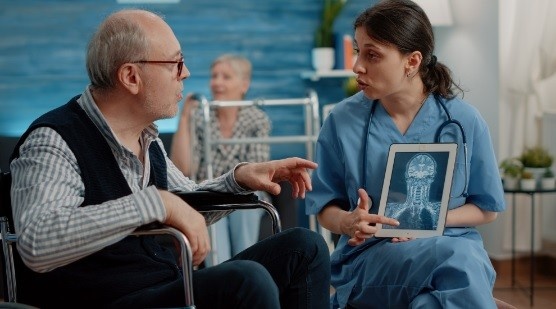
A stroke is a medical emergency that occurs when blood flow to a part of the brain is interrupted or reduced. Without oxygen and nutrients, brain cells begin to die within minutes. Recognizing the warning signs early and seeking immediate medical care can significantly improve recovery outcomes and reduce the risk of permanent disability.
If you or someone around you experiences sudden neurological symptoms, it is essential to seek emergency medical attention without delay. Consulting the Best Stroke Specialist in Noida at the earliest can make a critical difference in treatment success.
What Is a Stroke?
A stroke occurs when the brain’s blood supply is disrupted. There are two primary types of stroke:
Ischemic Stroke
This is the most common type and occurs when a blood clot blocks an artery supplying blood to the brain.
Hemorrhagic Stroke
This happens when a blood vessel in the brain ruptures, causing bleeding into surrounding brain tissue.
Transient Ischemic Attack (TIA)
Often referred to as a “mini-stroke,” a TIA produces temporary symptoms and serves as an important warning sign of a future stroke.
Early Warning Signs of a Stroke
The symptoms of stroke usually appear suddenly. Immediate recognition can save brain function and even save lives.
1. Sudden Weakness or Numbness on One Side of the Body
A person may experience sudden weakness, numbness, or paralysis affecting:
- Face
- Arm
- Leg
Symptoms typically affect only one side of the body.
2. Facial Drooping
One side of the face may droop or feel numb. Ask the person to smile. If the smile appears uneven, it may indicate a stroke.
3. Difficulty Speaking or Understanding Speech
A stroke can affect language centers in the brain, causing:
- Slurred speech
- Difficulty speaking
- Confusion
- Trouble understanding others
4. Sudden Vision Problems
Stroke may affect vision in one or both eyes, including:
- Blurred vision
- Double vision
- Partial vision loss
- Complete loss of vision
5. Severe Sudden Headache
A sudden, intense headache without an obvious cause may indicate a hemorrhagic stroke.
Warning signs include:
- Worst headache ever experienced
- Vomiting
- Dizziness
- Loss of consciousness
6. Loss of Balance or Coordination
People experiencing a stroke may suddenly:
- Stumble while walking
- Lose coordination
- Experience dizziness
- Have trouble maintaining balance
7. Sudden Confusion
The person may become disoriented, unable to understand conversations, or unable to respond appropriately.
 For appointments, call +91 8920248282.
For fast information, direct chat with us on WhatsApp.
Remember the FAST Rule
The FAST test is one of the easiest ways to identify a stroke.
| Letter | Meaning | What to Check |
| F | Face | Is one side drooping? |
| A | Arms | Can both arms be raised evenly? |
| S | Speech | Is speech slurred or abnormal? |
| T | Time | Call emergency services immediately |
Every minute counts during a stroke.
Why Immediate Medical Attention Is Critical
Brain cells die rapidly during a stroke. Prompt treatment can:
- Reduce brain damage
- Improve recovery chances
- Prevent long-term disability
- Reduce risk of death
For ischemic strokes, clot-busting medications may be effective if administered within a limited treatment window.
Common Risk Factors for Stroke
Understanding risk factors helps in prevention.
Medical Conditions
- High blood pressure
- Diabetes
- High cholesterol
- Heart disease
- Atrial fibrillation
Lifestyle Factors
- Smoking
- Excessive alcohol consumption
- Obesity
- Physical inactivity
- Unhealthy diet
Other Risk Factors
- Increasing age
- Family history
- Previous stroke or TIA
Common Problems Patients Ignore Before a Stroke
Many patients dismiss early symptoms, assuming they will disappear on their own.
Commonly ignored warning signs include:
- Temporary numbness
- Brief episodes of blurred vision
- Short periods of slurred speech
- Mild weakness in one arm or leg
- Mini-stroke symptoms
Ignoring these symptoms can increase the risk of a major stroke later.
Diagnosis of Stroke
A stroke specialist may recommend:
Neurological Examination
To assess brain function and identify deficits.
CT Scan
Helps identify bleeding or brain injury.
MRI Brain
Provides detailed images of brain tissue.
Blood Tests
Evaluate clotting factors and other risk indicators.
Vascular Imaging
Checks blood vessels supplying the brain.
Treatment Options for Stroke
Treatment depends on the type and severity of stroke.
Ischemic Stroke Treatment
- Clot-busting medications
- Mechanical thrombectomy
- Blood-thinning medications
Hemorrhagic Stroke Treatment
- Blood pressure control
- Surgical intervention if required
- Intensive monitoring
Rehabilitation
- Physical therapy
- Speech therapy
- Occupational therapy
For appointments, call +91 8920248282.
Expert Insights from Dr. Prashant Agarwal
As a neurosurgeon treating patients with complex neurological conditions, one of the most important messages is that stroke symptoms should never be ignored. Many patients delay treatment because symptoms appear mild or temporary. However, even brief neurological symptoms can indicate a serious underlying problem.
Early diagnosis and rapid intervention often lead to significantly better outcomes and reduced long-term complications.
Real-Life Example
Consider a patient who suddenly develops weakness in the right arm and difficulty speaking while at work. Because colleagues recognize the FAST signs and arrange immediate medical care, treatment begins within the critical time window. The patient recovers with minimal disability.
In contrast, delayed treatment may result in permanent paralysis, speech impairment, or cognitive difficulties.
FAQ Section
1. Who is considered the Best Stroke Specialist in Noida?
Patients often seek experienced neurosurgeons and stroke specialists who provide comprehensive diagnosis, emergency management, and long-term neurological care.
2. What are the first warning signs of a stroke?
Sudden facial drooping, arm weakness, speech difficulties, vision changes, and severe headache are common warning signs.
3. What should I do if I suspect someone is having a stroke?
Call emergency medical services immediately and note the time symptoms began.
4. Can stroke symptoms go away on their own?
Temporary symptoms may indicate a transient ischemic attack (TIA), which still requires urgent medical evaluation.
5. How quickly should stroke treatment begin?
Treatment should begin as soon as possible. Early intervention significantly improves outcomes.
6. Can young adults have a stroke?
Yes. Although stroke is more common in older adults, younger individuals can also experience stroke due to various risk factors.
7. What is a mini-stroke?
A mini-stroke, or TIA, causes temporary symptoms but serves as a warning sign for a future stroke.
8. Can stroke be prevented?
Managing blood pressure, diabetes, cholesterol, and maintaining a healthy lifestyle can reduce stroke risk.
9. How is a stroke diagnosed?
Diagnosis typically involves neurological evaluation, imaging studies, and blood tests.
10. When should I consult a stroke specialist?
Any sudden neurological symptom should be evaluated immediately by a stroke specialist.
Conclusion
Recognizing the early warning signs of a stroke can save lives and prevent permanent neurological damage. Symptoms such as facial drooping, arm weakness, speech difficulties, sudden vision changes, and severe headaches should never be ignored. Prompt medical attention is crucial because every minute counts during a stroke. If you or a loved one experiences any warning signs, seek immediate evaluation from a qualified stroke specialist to ensure timely diagnosis and treatment.
 Take the first step toward a pain-free life. Call +91 8920248282 today to book your consultation with Dr. Prashant Agarwal.
Visit https://drprashantneurosurgeon.com/ to schedule an appointment today. With expert care from Dr. Prashant Neurosurgeon, your health is in safe hands.